
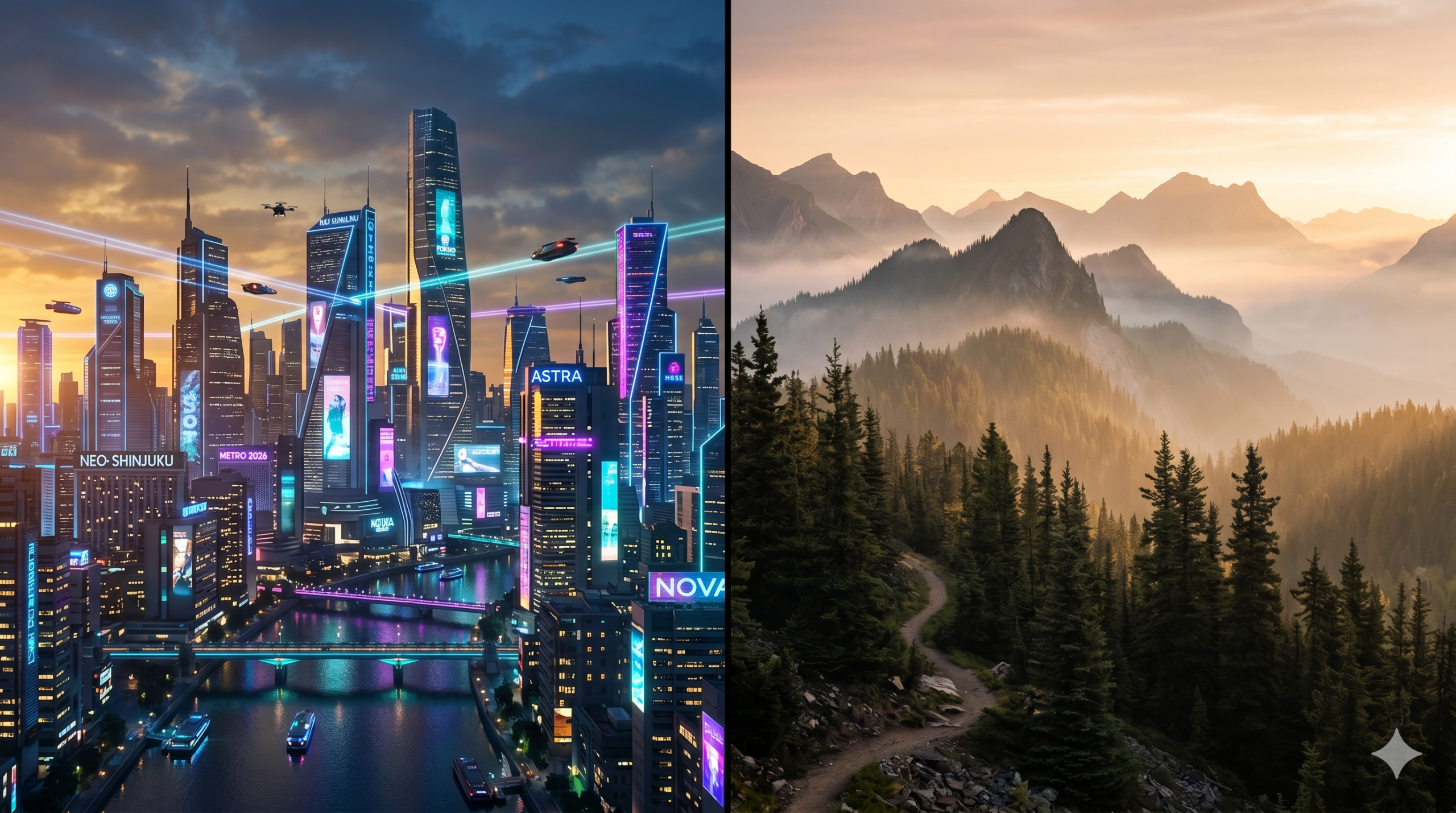
City Travel vs Nature Travel: Which Gives Better Value in 2026?
In 2026, nature and small-town travel offer significantly better financial and wellness value than major city hubs. While flagship cities now cost roughly double per day, nature escapes provide a higher “Mental Health ROI” and lower base costs through emerging trends like Townsizing and Coolcations.
Key Takeaways
- Budget Gap: Major city breaks average $120–$180 per day, while rural and nature trips stay between $45–$85.
- Townsizing: Choosing secondary cities over capitals can save you 15% or more on accommodation and dining.
- Wellness ROI: Nature-based trips deliver outsized stress reduction and lower cortisol levels compared to high-stimulation urban environments.
- Hidden Fees: Watch for dynamic city tourist taxes and roaming charges in cities versus gear rental fees in nature.
Is it cheaper to visit a national park or a major city in 2026?
Current 2026 data shows a widening gap between urban and rural travel costs. In the United States, budget travelers in expensive metros like New York or DC should expect to spend $120–$180 daily. Conversely, nature-adjacent regions in the Southwest or Midwest allow for much lower spends, especially when utilizing campsites.
In the UK, the contrast is even sharper. A day in London typically demands 100–180 GBP, while rural areas average just 45–85 GBP. For the value-conscious traveler, the math is simple: you can often travel for twice as long in nature as you can in a capital city for the same price.
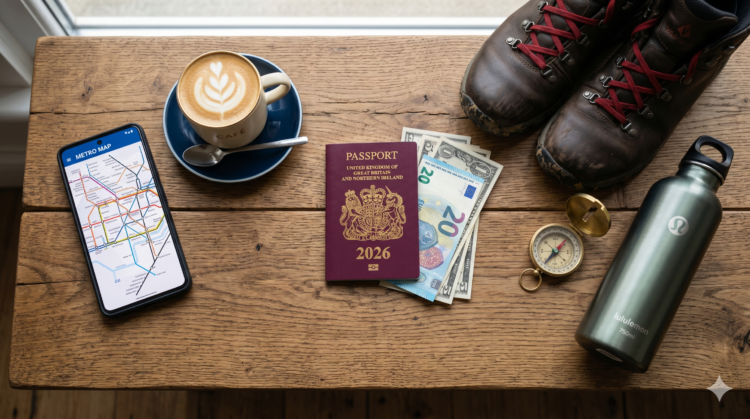
2026 Value Comparison Table
| Aspect | Big City Trip (2026) | Nature / Small-Town Trip (2026) |
| Typical Daily Budget | $120–$180 USD (Metros) | $45–$85 USD (Rural/Regional) |
| Accommodation | High, dynamic pricing; taxes | Lower base prices; secondary cities |
| Hidden Costs | Roaming, transport, upsells | Gear rental, remote transport |
| Mental Health ROI | Moderate (boosted by green space) | High (direct stress reduction) |
How “Townsizing” and “Coolcations” are cutting travel bills
The travel landscape in 2026 is defined by Townsizing. This trend involves travelers skipping over-visited hubs like Lisbon or Barcelona in favor of “the quieter option next door.” Searches for secondary cities have risen 15%, as these spots offer authentic culture at a fraction of the flagship price.
Coolcations are also redefining value. As travelers flee extreme heat, they are heading to northern or high-altitude destinations like Canada, Iceland, or the Dolomites. By choosing these “cool” spots during shoulder seasons, travelers benefit from lower friction, fewer crowds, and significantly reduced lodging rates.
Pro Tip: If you’re feeling overwhelmed by planning these logistics, using a comprehensive travel planning guide (often found on platforms like ClickBank) can help you automate your itinerary and find these hidden “Townsizing” gems without hours of research.
Is a city break or a nature escape better for my mental health?
When we talk about “value,” we must consider the Return on Investment (ROI) for your wellbeing. Recent 2025 and 2026 studies from Harvard and Stanford show that nature trips deliver a specific biological advantage. Direct exposure to natural environments is linked to lower cortisol levels and improved emotional resilience.
The “Noctourism” Advantage
Value isn’t just about where you go, but when you go. Noctourism—the rise of nighttime travel—allows you to “upgrade” your experience without increasing your budget. Whether it’s a moonlit desert walk or a twilight city tour, shifting your activity to the evening helps you avoid heat and overtourism while gaining a slower, deeper sensory engagement.
What are the hidden costs of travel in 2026?
Every trip has “budget killers” that don’t show up on the initial booking price. Understanding these is key to maintaining true value.
Hidden Costs of Urban City Trips
- Data Roaming: Carriers in 2026 still charge $10–$15 per day for roaming. Avoid this by using local eSIMs.
- Dynamic Transport: Rideshares and metro passes add up quickly in spread-out cities.
- Tourist Taxes: Many European cities now apply nightly taxes that can surprise you at checkout.
Hidden Costs of Nature Vacations
- Gear Fees: If you don’t own hiking boots or camping gear, rental costs can eat into your savings.
- Remote Transport: Reaching a national park often requires a rental car or specialized shuttles, which can be pricier than a city subway.
- Availability Pricing: Inside popular parks, basic supplies like food and water are often marked up due to limited competition.
How do I combine city and nature for the best value?
You don’t have to choose just one. The ultimate 2026 value strategy is the Hybrid Trip. By staying in a “Townsized” secondary city that sits on the edge of a national park, you get the best of both worlds. You benefit from the affordable dining and transport of a smaller town while accessing the high-ROI mental health benefits of nature during the day.
This approach minimizes the high daily spend of major capitals while avoiding the “logistics tax” of staying deep in remote wilderness. It is the most sustainable way to travel longer, feel better, and keep your 2026 budget intact.